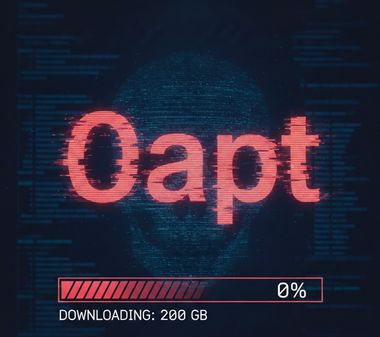
Why the 2.3 Million Wired Record Breach Is a Nightmare for Condé Nast

SAN FRANCISCO - For three decades, Wired magazine has served as the gospel of the digital revolution. It was the publication that warned us about the fragility of our online lives, chronicling the rise of hackers, the fall of privacy, and the dystopian potential of a connected world.
On Friday, that world came for them.
In a cyberattack that serves as a grim coda to 2025, hackers have posted the personal information of approximately 2.3 million Wired subscribers to a notorious dark web forum. The cache, released by a threat actor calling themselves "Tanaka," appeared online the day after Christmas. The file was titled, with a touch of digital malice, "A Christmas Lump of Coal."
But the initial release-containing names, home addresses, and emails-may be only the prologue. The attackers claim to have burrowed deep into the central nervous system of Condé Nast, the media giant that owns Wired, Vogue, and The New Yorker. They now threaten to release a staggering 40 million records if their unspecified demands are not met, a move that would lay bare the private data of nearly the entire readership of New York’s most prestigious publishing house.
A Breach of Irony
There is a profound, if unhappy, irony in Wired falling victim to the very forces it has spent a generation analyzing. The breach appears to stem from a relatively unsophisticated flaw known as an Insecure Direct Object Reference, or IDOR. In layman’s terms, the digital locks on the magazine's subscriber database were improperly configured, allowing anyone with the right script to scrape millions of user profiles.
Researchers at Hudson Rock, a cybercrime intelligence firm, were the first to independently authenticate the data. By cross-referencing the leaked emails with known compromised accounts from other corners of the web, they confirmed that the "Lump of Coal" was indeed genuine.
"Our researchers identified legitimate subscriber credentials for wired.com within global infostealer infection logs," the firm stated in a technical analysis released Saturday. By matching these credentials against the leaked database, Hudson Rock said they had "definitively confirmed the authenticity of the dataset without any interaction with the victim organization."
The 'Researcher' Masquerade
The attack was not a sudden strike, but the final act of a weeks-long deception. According to a candid account published by the security news site DataBreaches.net, the hacker-operating under the name "Lovely"-first surfaced in late November, posing as a benevolent "security researcher" with a kitten avatar on Signal.
"Lovely" initially claimed to have discovered the vulnerability by accident and sought the outlet's help in contacting Condé Nast's security team to patch it. They insisted they had downloaded only a handful of profiles as proof-of-concept. Believing they were aiding a responsible disclosure, the outlet facilitated contact with Wired staff.
But as the weeks passed without a payout, the mask slipped. "Lovely" eventually admitted to downloading not just a few files, but the entire 33-million-record database across all Condé Nast publications. When the "remediation" talks apparently stalled, the benevolent researcher pivoted to extortion, dumping the Wired data as leverage.
"As for 'Lovely,' they played me," wrote the site's editor, known as Dissent. "Condé Nast should never pay them a dime... their word clearly cannot be trusted."
The Vulnerable Giants
The incident highlights a growing crisis for legacy media companies. As print revenues dwindle, publishers like Condé Nast have aggressively pivoted to digital subscriptions, amassing vast lakes of user data in centralized systems. These systems offer convenience, but they also create a single point of failure.
If the hackers' claim of holding 40 million records is true, this centralization has turned a break-in at a tech magazine into a crisis for the fashion and literary worlds as well.
Security analysts warn that the data is already being weaponized. Hudson Rock noted that the exposure of physical addresses could facilitate "physical swatting" or harassment campaigns, while the email list provides a roadmap for "spear phishing"-highly targeted scams that use the victim's subscription details to earn their trust.
The New Normal
For now, the 2.3 million Wired subscribers are the only confirmed casualties. But the silence from Condé Nast suggests the crisis is far from over.
If the hackers truly possess the records of 40 million readers across Vogue, The New Yorker, and Vanity Fair, the "Lump of Coal" released this week may soon look less like a prank, and more like a ransom note that went unanswered.