Hackers Are Now Using Global-e Data to Target Ledger Owners at Their Home Addresses

By Mark Carr
January 13, 2026
Petah Tikva - To the corporate executives at Global-e Online Ltd, the recent breach of their cloud systems might just be a "security incident" involving "unusual activity." To the security community, it is a catastrophic failure of operational security. But to the estimated 6 million customers of Ledger, the world’s leading crypto hardware wallet, it is something far worse: a potential death threat delivered to their doorstep.
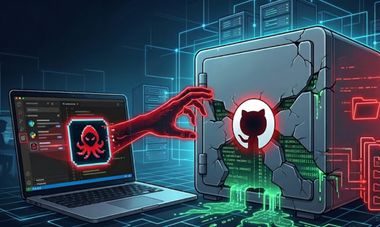
By compromising what could be the order database of Global-e-the "Merchant of Record" for Ledger’s international shipments - hackers may have secured a vetted list of high-net-worth individuals, complete with the one piece of data encryption cannot protect: their home addresses.
What We Know So Far
Global-e has officially confirmed a breach, though their language seems to minimize the panic. In a statement provided to DataBreach.com, a spokesperson said:
"Global-e recently identified unusual activity on a portion of our network. Immediately after we became aware of the unusual activity in our cloud systems we took action to contain and ultimately secure our systems. We retained independent forensic experts to conduct an independent investigation into the incident and were able to determine that some personal data to include name and contact information were impacted. We have notified all affected merchants and are also in the process of notifying all relevant regulators as well as affected individuals as required. Additionally, it’s important to note that no payment information or account credentials were improperly accessed due to this incident."
The Critical Decode:
- "Contact Information": In the logistics world, this almost invariably includes shipping addresses and phone numbers.
- "Affected Merchants" (Plural): Ledger is likely not the only victim. Global-e handles checkout for major brands like Adidas, Skims, and Hugo Boss, suggesting a larger supply-chain compromise.
- "No Payment Information": This is a red herring. For crypto holders, a stolen credit card is an annoyance; a stolen home address is a physical danger.
Active Exploitation Confirmed
The threat is already moving from database to inbox. According to CoinDesk, within hours of the disclosure, users began reporting a surge in phishing emails and scam attempts. Fraudsters posing as Ledger or Global-e support appear to be exploiting the leaked data to pressure recipients into handing over sensitive information, confirming that the stolen contact details are already being weaponized.
What We Don’t Know
The gaps in Global-e’s disclosure are as alarming as the facts:
- The Scope: How many records were accessed?
- The Specifics: Did the "contact information" field explicitly include unit numbers or gate codes?
- The Others: Which other vendors are affected? If a user bought a Ledger and a luxury watch via Global-e, criminals can now potentially triangulate their wealth and location with terrifying accuracy.
Why This Is a "Kill List" Risk
The timing of this breach could not be worse. It arrives amidst a surge in violent "wrench attacks"-physical assaults where criminals torture victims until they unlock their devices.
According to a January 2026 investigation by Bloomberg Businessweek, these are not theoretical risks. They are highly organized paramilitary operations.
The "Meow" Gang and the "Old Lick"
A recent Bloomberg report details the rise of violent crews like the one led by "Meow" (Jarod Seemungal) and his enforcer "Remy" (Remy Ra St Felix). This crew shifted tactics from digital SIM-swapping to physical home invasions because, as one member put it: "If we cannot hack them, we rob them."
The Global-e leak seems to have provided exactly the kind of data these gangs rely on.
- The Case of Julia Goodwin: A retiree in Delray Beach, Florida, Goodwin was targeted first digitally, then physically. Attackers shattered her glass door, held an AK assault rifle to her neck, and demanded her crypto passwords. "We’re going to kill you if you don’t give it to us," they told her.
- The Torture Tactics: The Bloomberg investigation revealed that these crews study torture. In North Carolina, they targeted a retired physics teacher, Walter Moss. They beat him, broke his wife's ribs, and threatened to cut off his toes and fingers if he didn't transfer his Bitcoin.
- The Data Connection: Crucially, the Bloomberg report notes that these crews found their targets by "cross-referencing leaked personal info from online data breaches."
Did the Global-e breach just refresh that database with millions of new, high-value targets?
By the Numbers
According to security consultant Jameson Lopp, who maintains a repository of physical crypto attacks, there have been over 215 documented cases since 2020, with 2025’s tally nearly doubling the previous year.
What You Can Do Now
If you have ever purchased a Ledger device directly from the manufacturer (where Global-e handles the checkout), you must assume your address is compromised.
Step 1: Immediate Assessment
- Check Your Email: Search for notifications from
no-reply@global-e.com. - Assume the Worst: Even if you haven't received an email, if you bought a Ledger, proceed to Step 2.
Step 2: Operational Security (OpSec)
- The "Decoy" Wallet: Never keep your main holdings on a device located at your home address. Keep a "decoy" Ledger with a small amount of funds ($500-$1,000) at home. If you are attacked, you can surrender this wallet to satisfy the attackers without losing your life savings.
- Relocate Assets: Move your primary cold storage device to a bank safety deposit box or a secure location not tied to your name in public records.
Step 3: Physical Hardening
- Reinforce the Perimeter: The "Meow" crew utilized glass breakers. Apply security film to sliding glass doors and ground-floor windows.
- Sensors: Install shock sensors on glass and magnetic sensors on all entry points.
- Don't Open the Door: In the Walter Moss case, attackers posed as utility workers. In the B.C. case, they posed as delivery drivers. Verify all unexpected visitors through a locked door or camera.
Step 4: Legal Options
- Class Action: Legal firms are reportedly already investigating the Global-e breach. Monitor the web to see if you are eligable to join relevant class actions.
This story is developing.