It’s Real: Pornhub Data Breach Exposes Search History of Premium Users
For decades, the internet’s darkest corners have relied on an implicit contract: anonymity. You provide the traffic; they provide the content, and nobody asks any questions. In mid-December 2025, that contract shattered for Pornhub’s most paying customers.
It is the digital equivalent of having your bedroom walls turn suddenly transparent.
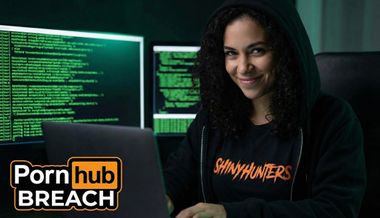
While the world has grown weary of data breach notifications involving credit card numbers, the incident confirmed this week strikes a more visceral nerve. The currency stolen wasn’t financial; it was reputation. As of today, the notorious hacking collective ShinyHunters is actively weaponizing the viewing histories of Premium users in a brazen extortion campaign.
The Scope: Who Is Actually Affected?
Contrary to early confusion, this breach does not appear to affect the site's vast army of free, anonymous users. The target is specific and high-value: Pornhub Premium subscribers.
While Pornhub has only confirmed that a "limited number" of users were impacted, the hackers tell a different story. ShinyHunters claims to possess a massive 94GB database containing over 200 million records.
It is important to note that "200 million records" likely refers to individual activity logs (every click, search, and video load) rather than 200 million unique people. However, for those caught in the dragnet, the distinction is meaningless. The data is deep, historical, and inextricably linked to their identities.
The Proof: A Terrifyingly Granular Leak
This is not a theoretical risk. The hack has been verified by security researchers who have seen the stolen files firsthand.
According to a report by BleepingComputer, the hackers provided sample data that confirmed they hold highly specific fields. This is not just a list of emails; it is a minute-by-minute diary of user activity.
The confirmed data fields include:
- User Email Addresses: The key to the extortion attempts.
- Video URLs & Names: The exact titles of videos watched.
- Search Keywords: Verbatim strings typed into the search bar.
- Timestamps: The exact date and time the content was viewed.
- Location Data: Approximate geolocation of the user during the session.
Journalists at Mashable and PCMag have corroborated these details, noting that extortion emails are already landing in inboxes, threatening to send this "watch history" to victims' contacts unless a crypto ransom is paid.
The Great Blame Game: "Hacked" or Just "Logged In"?
In the immediate aftermath, a bitter public dispute has erupted over how the digital walls fell.
Pornhub’s parent company, Aylo, initially framed this as a "cybersecurity incident involving Mixpanel," a third-party analytics vendor they used to track user engagement. This phrasing suggested a sophisticated breach of a vendor's systems.
However, Mixpanel fired back with a stunning rebuttal on December 16. They deny the data came from their own recent system breach in November. Instead, Mixpanel claims the data was accessed using a legitimate Pornhub employee account from 2023.
If Mixpanel’s account is true, the implications are damning. It suggests the "breach" wasn't a smashed window, but a key left under the doormat for two years-a compromised employee credential that allowed hackers to simply log in and download history archives undetected.
The Privacy Paradox
This incident arrives at a catastrophic moment for Aylo. The company is currently fighting a multi-front war against regulators demanding stricter Age Verification.
Just yesterday, the Indiana Attorney General sued Aylo, alleging they failed to implement sufficient age checks. Governments worldwide are pushing for laws that would force adult sites to collect government IDs or biometric scans to prove age.
The Pornhub breach serves as a grim counter-argument: If a company cannot secure a simple database of search keywords against a 2023 credential leak, can they really be trusted to safeguard a scan of your driver's license?
The End of the "Private Mode" Myth
We have long operated under the delusion that "Incognito Mode" or a paid subscription bought us privacy. The events of December 2025 have proven that privacy on the commercial internet is largely an illusion held together by vendor agreements and hoping nobody guesses an employee's password.
For the affected users facing extortion emails today, the advice from security researchers is uniform: Do not pay. Paying identifies you as a willing target for future scams, and thieves rarely honor their word to delete data.
But the damage is already done. The breach is a stark reminder that in the digital age, your deepest secrets are only as secure as the weakest link in a global supply chain you didn't even know existed. The bedroom door is off its hinges, and the whole world is potentially watching.